Recovery from an eating disorder is often described as a battle with food or a tug-of-war with thoughts. That frame misses a crucial element. The body carries the history, the alarm system, and the pathways back to safety. Somatic therapy brings the body back into the room, not as an enemy to be controlled, but as an ally with information and timing. When people learn to recognize the quiet signals underneath urges and rigid rules, choice returns.
Why the body matters when food becomes the focus
Restriction, bingeing, purging, and compulsive exercise all change how the nervous system functions. The body adapts to survive. Hunger cues dull after months of dieting. Fullness cues become unreliable during high-volume eating. Chronic sympathetic arousal tightens the chest, locks the jaw, and shortens the breath. Parasympathetic shutdown can leave a person flat, foggy, and disconnected. These states are not personal failures, they are patterns that the nervous system learned to keep going when emotions or environments felt overwhelming.
Somatic therapy pays attention to interoception, the ability to sense internal signals like hunger, temperature, heart rate, and breath. Many clients with eating disorders describe a kind of numbness toward these cues, or the opposite, an overwhelming flood of sensations that feel unsafe. A body-based lens helps pace exposure to sensations, translate them into meaning, and integrate them with thought and action. It also respects that trauma therapy is not only about stories or memories. Trauma can live in reflexes, in tension patterns, and in the freeze that precedes a binge or the bracing that holds back a meal.
I think of recovery as a gradual renegotiation with the body. We learn what pressure it can hold, where it needs support, and how to move from reflex to choice.
How eating disorders imprint on physiology
If you have ever tried to eat a feared food and felt a pounding heart, a clenched diaphragm, or tingling hands, you have experienced how quickly the body can interpret food as threat. That interpretation is not random. It often links to past experiences of shame, comments about weight, chaotic meals, or control challenges. Attachment injuries can prime the nervous system to equate closeness with risk, and food becomes a stand-in for receiving, need, or dependence. Attachment therapy and somatic therapy fit together because both work with how safety is felt, not just explained.
On a physiological level, restriction lowers resting heart rate, changes hormone levels, and can thin bone over time. Bingeing spikes insulin and blood sugar, then crashes. Purging disrupts electrolytes, which can make the heart irritable. Chronic dehydration blunts interoception and raises anxiety. These shifts affect cognitive flexibility and emotional regulation. A client who seems “resistant” to meal plans may be living in a nervous system tuned for survival, not stubbornness.
Movement therapy enters here as well. When exercise is rigid, punitive, or used to “earn” food, the nervous system often shows over-coupling of movement with self-worth. When we separate movement from penance and reconnect it with curiosity and pleasure, the body can relearn that effort and rest both have value.
Safety first: medical and nutritional foundations
Somatic work thrives when basic safety is addressed. During refeeding or nutritional stabilization, the brain needs predictable fuel to process sensations and emotions. If a client is severely malnourished, dizzy, frequently purging, or experiencing fainting, somatic therapy should be titrated and closely coordinated with medical and nutrition care. Typical markers that call for medical oversight include low resting heart rate, significant orthostatic changes in pulse or blood pressure, recurrent electrolyte abnormalities, and rapid weight loss. A registered dietitian with experience in eating disorders understands how to restore energy intake without overwhelming the system.
This coordination is not a delay of therapy, it is part of therapy. Clients deserve to know that distress during early refeeding may spike, not because therapy is failing, but because interoception is turning back on. Hunger pangs, fullness, and thermal shifts can feel like a storm. With adequate nutrition, those signals become more trustworthy, and somatic tools land more reliably.
What somatic therapy offers
Somatic therapy is not a single technique. It is a posture toward the body as information, a pacing strategy, and a skills toolkit. In practice, several pillars show up again and again.
- Interoceptive awareness, the ability to notice internal signals without fusing with them. For example, tracking a 2 out of 10 flutter in the stomach before it escalates to a 7 out of 10 panic. Orientation, the act of visually and physically connecting with the present environment. Clients learn to let the eyes scan, notice light and shape, and allow the neck and spine to move. Orientation often reduces the tunnel vision that precedes compulsive behavior. Pendulation, moving attention between activation and ease. A clinician may invite a client to feel tightness in the throat for three breaths, then shift to the warmth in the hands. The nervous system learns mobility between states rather than getting stuck. Titration, introducing change in digestible doses. A bite of a feared food at the start of a session might be too much for a person in a chronic freeze state. Titration could mean beginning with looking at the food, smelling it, or visualizing the sequence with active grounding. Containment, building structures that hold sensation and emotion. This can be as simple as leaning into the back of a chair until the spine feels supported, or as concrete as scheduling meals with another person to borrow their regulation.
In sessions, I often pause mid-story to notice what the body is doing. Palms sweating when talking about lunch? That is information. Tight jaw while insisting “I am fine”? That contradiction is not something to confront with logic, it is a doorway to curiosity about safety and control.
Integrating trauma therapy, attachment therapy, and grief counseling
Many clients discover that food rules protected them from unprocessed grief or unpredictable care. Loss can be a death, but it can also be the absence of reliable attunement, the year a parent was depressed, the season a partner commented on weight every day. When grief counseling is woven into somatic work, tears sometimes come only after the body trusts that it will not be overwhelmed. We lower the charge in the system through breath pacing, orienting, or supported movement, then we touch the grief in increments. This pacing respects that crying can increase heart rate and breath velocity, which in turn can trigger more alarm in someone with a history of panic.
Attachment therapy looks at how relationships shaped regulation. If a client learned early that expressing need led to withdrawal, they may lock down signals like hunger because hunger is a need. In session, therapeutic relationship is a testing ground where needs can be signaled and met. Somatically, we track how the body responds when a therapist waits an extra thirty seconds before speaking, or when the client chooses the distance between chairs. Small choices retrain the nervous system to expect collaboration rather than control.
Trauma therapy ties these threads together by addressing stuck defensive responses. Some people freeze before meals. Some launch into fight mode at the first sign of fullness. Through gentle, body-led exposure, we complete micro-movements that were interrupted in the past. A client who learned to shut down might practice pushing gently into a wall to feel strength in the arms. Another might turn the head and eyes to locate exits, then return to the plate. Movement therapy supports these shifts by offering structured ways to discharge energy and rediscover play.
Movement therapy that supports recovery
People often ask whether movement has a place in recovery. It does, with intention and boundaries. Early on, the priority is restoring nutrition and repairing the relationship with rest. If movement is introduced, it serves regulation and embodiment, not calorie burn.
In practical terms, that can look like ten minutes of breath-led walking where each footfall is felt from heel to toe. It can be chair-based mobilization of the spine and shoulders to reduce bracing around the torso. Gentle resistance bands can offer a sense of strength without tapping into compulsive intensity. For athletes, graded return plans emphasize internal cues and performance markers like sleep quality, rather than mileage or time.
Movement therapy also helps recalibrate interoception. After a movement set, we pause to notice heart rate, warmth, and breath depth. That reflection teaches the nervous system to rise and recover, a pattern many clients avoid because intensity feels synonymous with loss of control.
A case vignette from practice
A college student, let us call her Maya, came to therapy after a year of cycling restriction and weekend binges. She described her body as “mutinous.” Meals were either controlled to perfection or blown apart. Early sessions focused on building a map of her nervous system. We tracked how her jaw locked when she looked at bread, how her feet curled under her chair when a choice loomed. With her dietitian’s guidance, she established three meals and two snacks.
We used titration during feared food exposures. On a Monday session, Maya brought a small piece of banana bread. She looked at it, then looked away. Her breath shortened. Rather than pushing a bite, we worked with orientation. She named four red items in the room, turned her head slowly right and left, and felt the weight of her back against the chair. Only then did she take a bite. She chewed while pressing her feet into the floor, a simple containment cue. Her eyes softened. Two minutes later a wave of guilt crested. We pendulated, placing a hand over her sternum to feel her heartbeat, then looking at a photo of her dog for a moment of ease. She finished the piece.
Over weeks, Maya learned to identify the first flicker that led to a binge, a coil of energy between her ribs and a narrowing of her vision. Rather than white-knuckling through the evening, she invited a friend to sit with her during dinner on Fridays, then did a ten minute walk focused on breath lengthening. The binge frequency dropped from weekly to once in six weeks. Later, she named grief about a childhood move that had never been acknowledged. We worked with grief counseling in short arcs, each followed by a body-based resource like a warm shower or a weighted blanket. Her language shifted. The body was not mutiny, it was a messenger.
Home practices that respect the body’s pace
- Three-minute orientation: sit near a window, let the eyes wander, name what you see in detail, and allow your neck to follow your gaze. Pulse and breath check: place two fingers on your pulse, count beats for fifteen seconds, notice breath depth, and see if one longer exhale changes the sensation. Temperature contrast: hold a warm mug in both hands, then rinse wrists in cool water, and notice shifts in alertness or calm. Supported posture: lean your back fully against a chair, feel sit bones, feet flat, and let the jaw gently release while counting to twenty. Micro-mobilization: roll shoulders, glide the neck side to side, and make two gentle fists then release, paying attention to changes in tension.
These are not cures. They build a foundation of noticing and choice. If any practice spikes distress past a 6 or 7 out of 10, shorten it or return to something simpler like looking around the room or feeling the contact of your clothes on your skin.
Measuring progress without turning it into a new obsession
Recovery does not move in straight lines. Some weeks, hunger returns with a roar. Others, the system retracts and old strategies reappear. I ask clients to track three domains rather than only the numbers on a scale or a food log.
First, capacity to notice. Can you name sensations earlier in the chain of events, before the binge or the skipped meal? Second, flexibility. Can you shift from activation to ease within a session, or from rigidity to curiosity at a meal? Third, engagement. Are you able to approach feared foods, relationships, or environments with support, even if imperfectly? When these domains widen, behaviors usually follow.
A practical metric is meal variability. Early recovery often relies on safe foods. Over time, increasing variety by one or two items per week marks nervous system tolerance expanding. Likewise, sleep quality and dreams often change as the body feels safer. Nighttime awakenings may reduce, and dreams become less frantic.
Common pitfalls and how to avoid them
Somatic therapy can be misapplied if it is used only to calm symptoms. Sometimes the urge to “ground” overrides the message of anger or boundary violation. Instead of extinguishing anger, we help it find a safe pathway. A client who numbs with restriction might need to feel the heat of anger in the hands and channel it into a push against a wall, followed by a conversation about limits at work https://spiralsandheartspacehealing.com/location/layton-ut or home.
Another pitfall is moving too fast. Exposures are effective when the nervous system can integrate them. A therapist eager to check boxes may encourage eating a whole slice of cake in session two. For some, that works. For others, it floods the system and confirms that the body cannot be trusted. Titration and pacing protect dignity and build confidence.
There is also the risk of ignoring culture and identity. Bodies experience the world through race, gender, size, disability, and more. A client living in a larger body may face daily stigma. Somatic therapy should validate that reality and avoid implying that all discomfort is internal. Movement therapy plans should be accessible and not assume able-bodied capacity.
When to pause or modify somatic work
- Dizziness, fainting, or chest pain with minimal exertion. Medical evaluation comes first. Electrolyte instability or severe malnutrition. Stabilize nutrition to support interoception. Active suicidality or self-harm urges without a safety plan. Containment and crisis care take priority. Dissociation that impairs consent or recall. Shorten sessions, increase orientation, and involve trusted supports. Compulsive exercise patterns still dominant. Substitute gentle regulation-oriented movement and set clear limits with a care team.
Pausing does not mean abandoning somatic principles. Even in high-risk phases, orientation, supported posture, and co-regulation with another person can help.
Working with families and partners
Attachment does not happen in a vacuum. Parents, partners, and close friends can support recovery by becoming co-regulators rather than enforcers. That might look like sitting at the table, eating alongside the person, and modeling pace and presence. It might mean learning to recognize micro-signs of overwhelm, like leg bouncing or gaze freezing, and inviting a pause to look outside or feel the chair under the body.

Grief surfaces here too. Families may have to mourn the fantasy of quick fixes and embrace the steady work of building safety. Blame rarely helps. Clear roles do. A parent can handle scheduling and meal structure. A partner can plan gentle shared activities after dinner to bridge the vulnerable hour. A therapist can hold the deeper stories and coach on pace.
The role of meaning and values
Food and body are where meaning accumulates when language is missing. As the body softens its grip, values can step forward. Some clients choose nourishment because clarity at work matters. Others want the energy to chase a toddler in the park. Somatic therapy keeps values embodied. We link a choice to a felt sense. When a client eats a snack before a long meeting, we pause afterward to notice the steadier breath, the clearer focus. That reinforcement is not moral, it is experiential.
In grief counseling, values also organize mourning. If honesty is a core value, a person might write and read aloud a letter about the losses that restriction kept quiet. Somatically, we support the read with a steady posture and a weighted blanket across the lap. If connection is central, shared meals with a trusted person become a practice space where the body learns that receiving and being seen can coexist.
Timing and the arc of care
In my experience, the first six to twelve weeks of integrated care set crucial patterns. With collaborative nutrition work, medical oversight if indicated, and consistent therapy, the nervous system starts to recognize a new baseline. Somatic sessions in this phase emphasize orientation, containment, and predictable routines. Between three and six months, exposures and movement therapy often expand. Clients test feared foods, experiment with gentle group classes, or take a break from rigid activity trackers. The nervous system’s range of motion widens.
Longer-term work addresses the roots. Attachment injuries, complex trauma, and identity questions take time. Here, somatic therapy can deepen into exploratory movement, voice work, and nuanced mapping of triggers in relationships. Setbacks happen. The skill is not to prevent them, but to recover faster and with less self-attack.
What progress feels like from the inside
Clients describe subtle but powerful shifts. The fork feels less heavy. The room seems larger at the table. The first sensation of fullness is a cue to slow down rather than to flee. A run becomes a place to feel breath and footfall, not a transaction. A difficult memory stirs ache in the chest, and instead of clamping down the person reaches for a blanket, texts a friend, and schedules a session. Shame loses its monopoly.
These gains are not flashy. They show up in Tuesday afternoons and Sunday breakfasts. Somatic therapy helps people find those moments and name them, so the nervous system can recognize: this is different, this is safer.
Final thoughts for clinicians and clients
Somatic therapy is not magic, it is method. It honors biology and biography. For clinicians, track your own nervous system. If you speed up when a client edges toward a feared food, slow your breath and let your eyes orient. Your body is part of the intervention. For clients, expect ambivalence. Part of you chose the eating disorder to survive. Thank that part for its service, and invite it to retire in stages. Use trauma therapy to process what needed surviving. Use attachment therapy to practice receiving. Use movement therapy to restore freedom in how you inhabit space. Let grief counseling make room for the losses and the life that could not fit inside the old rules.
Recovery is embodied. The body that carried you through is the same body that can show you a way home.
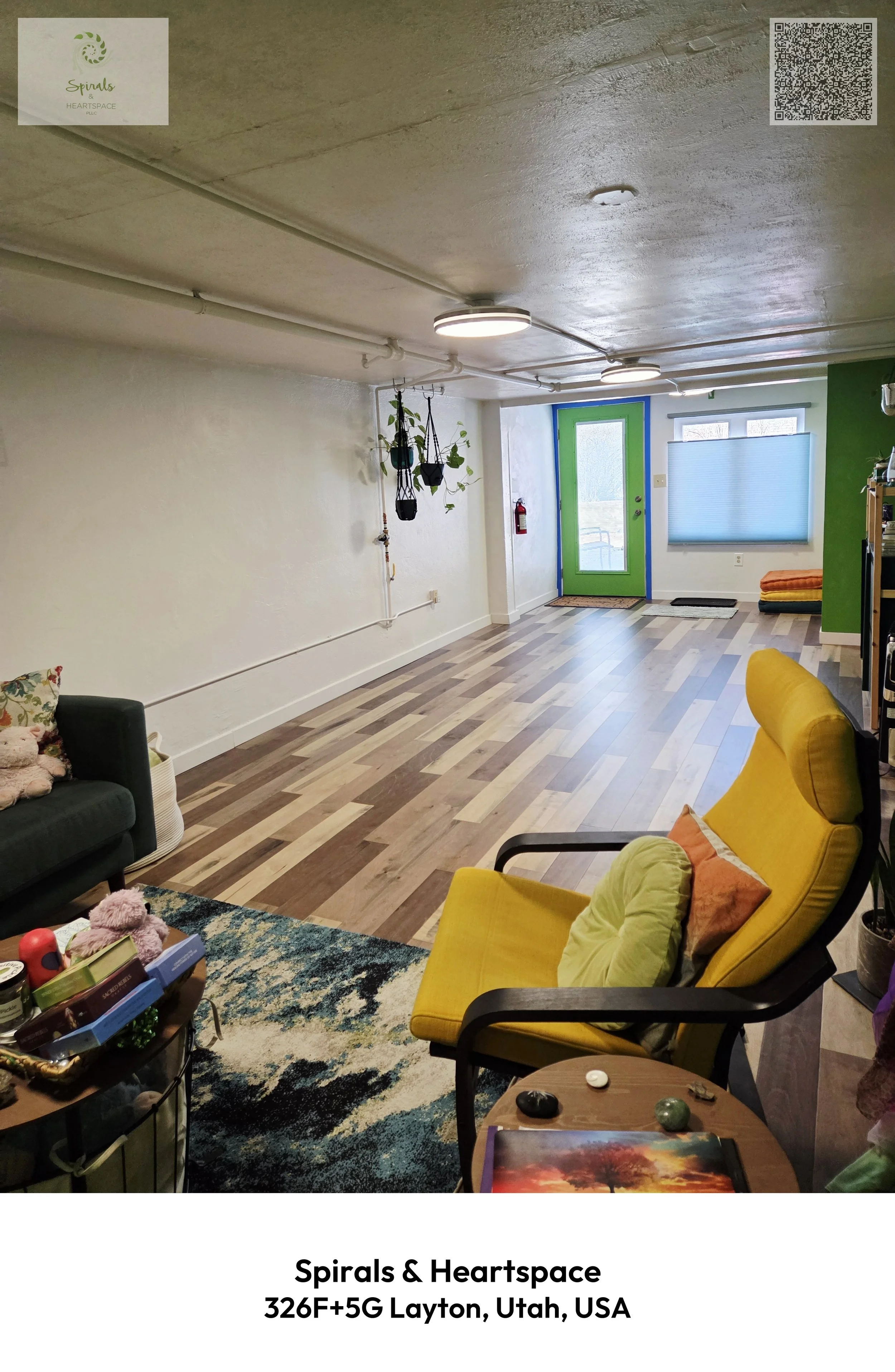
Spirals & Heartspace
Name: Spirals & HeartspaceAddress: 534 W Gentile St, Layton, UT 84041
Phone: (385) 301-5252
Website: https://spiralsandheartspacehealing.com/
Hours:
Sunday: Closed
Monday: 9:30 AM – 7:00 PM
Tuesday: 9:30 AM – 7:00 PM
Wednesday: 9:30 AM – 7:00 PM
Thursday: 9:30 AM – 7:00 PM
Friday: 9:30 AM – 7:00 PM
Saturday: Closed
Open-location code / plus code: 326F+5G Layton, Utah, USA
Coordinates: 41.0604503, -111.9762128
Map/listing URL: https://www.google.com/maps/place/Spirals+%26+Heartspace/@41.0604503,-111.9762128,766m/data=!3m2!1e3!4b1!4m6!3m5!1s0x875303311f1d4d1b:0xc6859e5e3fceafe2!8m2!3d41.0604503!4d-111.9762128!16s%2Fg%2F11x781dbvb
Embed iframe:
Socials:
Instagram: https://www.instagram.com/spiralsheartspace/
LinkedIn: https://www.linkedin.com/company/spirals-and-heartspace-pllc
TikTok: https://www.tiktok.com/@spiralsheartspace
X: https://x.com/SpiralsHea61786
YouTube: https://www.youtube.com/@SpiralsHeartspace
The practice is led by Ande Welling, a licensed clinical mental health counselor with training in dance/movement therapy, somatic work, EMDR, trauma care, relational neuroscience, and embodied attachment.
Listed services include therapy, coaching, consultation, authentic movement, trauma therapy, somatic therapy, grief counseling, movement therapy, and attachment therapy.
The practice serves adults who want a deeper body-aware approach to trauma, anxiety, depression, grief, burnout, self-abandonment, family patterns, and relationship wounds.
Spirals & Heartspace offers both in-person sessions in Layton and online therapy for clients in Utah.
The practice is locally positioned for clients in Layton, Kaysville, Farmington, Syracuse, Clearfield, Clinton, Roy, Ogden, Bountiful, Davis County, and nearby northern Utah communities.
The office is listed at 534 W Gentile St in Layton, with public listing hours Monday through Friday from 9:30 AM to 7:00 PM.
Prospective clients can call (385) 301-5252 or visit https://spiralsandheartspacehealing.com/ to ask about consultation options, session fit, and scheduling.
The public map listing for Spirals & Heartspace can help clients verify the Gentile Street office before planning an in-person appointment.
Popular Questions About Spirals & Heartspace
What is Spirals & Heartspace?
Spirals & Heartspace is a Layton, Utah psychotherapy and coaching practice offering somatic, trauma-focused, expressive arts, movement-based, and attachment-informed support for adults.
Who is the therapist at Spirals & Heartspace?
The official site identifies Ande Welling as the therapist, coach, movement facilitator, and guide behind Spirals & Heartspace. Listed credentials include LCMHC, BC-DMT, NCC, GL-CMA, BSE, EMDR Trained, and CCTP-II.
Where is Spirals & Heartspace located?
The matching public listing and LinkedIn profile list the address as 534 W Gentile St, Layton, UT 84041.
Does Spirals & Heartspace offer online therapy?
Yes. The official FAQ states that therapy is available in person or through a HIPAA-compliant telehealth platform for clients who live in Utah.
What services does Spirals & Heartspace provide?
Listed services include therapy, coaching, consultation, authentic movement, trauma therapy, somatic therapy, grief counseling, movement therapy, and attachment therapy.
What makes somatic therapy different from traditional talk therapy?
The official Layton page explains that somatic therapy works with body sensations, movement, and physical experience because trauma and emotional patterns can be held in the nervous system, not only in thoughts.
Do clients need dance experience for movement therapy?
No. The official Layton FAQ says no dance training or special physical ability is required, and that movement therapy uses a client’s natural capacity for movement to access emotions and process experiences.
Does Spirals & Heartspace accept insurance?
The official FAQ says the practice does not take insurance directly, but may provide superbills or bill for out-of-network benefits when applicable. Clients should confirm current reimbursement options directly before scheduling.
What are Spirals & Heartspace’s listed hours?
The matching public listing shows Monday through Friday from 9:30 AM to 7:00 PM, with Saturday and Sunday closed. Appointment availability should be confirmed directly.
How can I contact Spirals & Heartspace?
Call (385) 301-5252, visit https://spiralsandheartspacehealing.com/, or use the listed social profiles: https://www.instagram.com/spiralsheartspace/, https://www.linkedin.com/company/spirals-and-heartspace-pllc, https://www.tiktok.com/@spiralsheartspace, https://x.com/SpiralsHea61786, and https://www.youtube.com/@SpiralsHeartspace.
Landmarks Near Layton, UT
Spirals & Heartspace is located on West Gentile Street in Layton, Utah, with in-person therapy available locally and online therapy available for Utah residents. Clients near these landmarks can call (385) 301-5252 or visit https://spiralsandheartspacehealing.com/ to ask about somatic therapy, trauma therapy, movement therapy, grief counseling, attachment therapy, and consultation options.
- 534 W Gentile St — The listed office address for Spirals & Heartspace; clients can use the map listing to verify the office before visiting.
- West Gentile Street — The local street connected with the practice’s Layton office location.
- Downtown Layton — A practical local reference point for clients navigating central Layton.
- Layton Hills Mall — A major Layton shopping landmark and useful orientation point for clients traveling through the city.
- Interstate 15 near Layton — A major northern Utah route that helps clients reach Layton from nearby Davis County communities.
- Layton FrontRunner Station — A transit landmark for clients traveling by commuter rail through Davis County.
- Ellison Park — A local park and community landmark in Layton.
- Great Salt Lake Shorelands Preserve — A major natural landmark west of Layton and a recognizable Davis County destination.
- Hill Air Force Base — A major regional landmark near Layton and Clearfield.
- Kaysville — A nearby Davis County city listed in the practice’s surrounding service area.
- Farmington — A nearby Davis County community included in the broader local service-area language.
- Ogden — A nearby northern Utah city; clients can ask whether online Utah therapy or in-person Layton sessions are the best fit.